
Monitoring the deep and dark web becomes imperative for proactive defense against such threats. Lunar, our dark web monitoring tool is designed to empower individuals and businesses in this battle against cybercrime. With features like real-time alerts, data breach monitoring, and comprehensive dark web post monitoring, Lunar helps organizations stay ahead of deep and dark web threats in an increasingly hostile digital environment. Credit reference agency Equifax suffered a data breach in 2017 that affected 147 million US citizens and 15 million Britons. Names, social security numbers, birth dates, addresses as well as driver’s licenses of more than 10 million were exposed after attackers took advantage of a web security vulnerability to break into Equifax’s systems. The breach also exposed the credit card data of a smaller group of 209,000 people.
- No, credit monitoring services only alert you to potential fraud, not prevent it from happening.
- At this point, we are just two steps away from identifying the threat actor group.
- That is, until it got massively hacked a few months after its debut.
- Credit Sesame offers a free plan that includes information as reported by TransUnion—only one of the three major credit bureaus.
- However, any “winnings” displayed by these gaming sites are a complete fantasy, and players who deposit cryptocurrency funds will never see that money again.
Hearing Hubble
These tools safely check your email address against recent data breaches to see if your passwords or personal information have been leaked. You can also use a free digital footprint checker to see what sensitive information is easily available to hackers and scammers online. Some services may offer additional features, such as dark web surveillance and tools to safeguard children. There are free credit monitoring services that come with more limited features.
Responding To Detected Credit Card Fraud

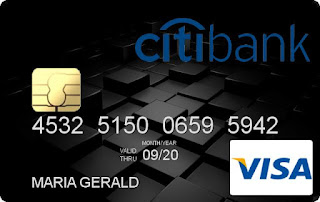
He chooses one, stamps the number and information onto a blank card, and uses that card to make payments, often using the stolen payment information to buy goods, like gaming systems, and sell those as well. This article will explore credit card theft on the dark web, explain how criminals obtain and use stolen data, and explain how to detect and prevent credit card fraud. Strong passwords and security tools add extra layers of defense against cyber threats.
But it can also be a popular place for identity thieves, who can use the dark web to trade and sell your personal information. The research found that the price of payment card details varied between $1 and $12 in the US, with most about $4. The dark web, shrouded in anonymity and lacking regulation, serves as a breeding ground for criminal activity. Just in the last 3 months millions of unique credit card credentials have circulated across the deep and dark web. Microsoft today released updates to fix more than 100 security flaws in its Windows operating systems and other software. At least 13 of the bugs received Microsoft’s most-dire “critical” rating, meaning they could be abused by malware or malcontents to gain remote access to a Windows system with little or no help from users.
The Best Free Credit Monitoring Services Of 2025
- Require multi-factor authentication for high-risk transactions, but it needs to be implemented intelligently.
- Privacy and security policies may differ from those practiced by Granite Credit Union.
- The data backing this service is not a table of card number prefixes.
- That incident was widely reported to have started with a Twitter post from the Lizard Squad, after Smedley mentioned some upcoming travel plans online.
- The cards were likely compromised online, using phishing, malware, or JavaScript-sniffers, which are increasingly popular among cybercriminals.
While thousands of users were interested in all things dark web-related, the study also revealed a shocking trend of credit card cloning. While the internet has become a part of daily life for most people, be it at work or at home to relax, it’s become more dangerous with the rise of AI, crypto scams, banking copycat websites, fake dating profiles and investment scams. You never know when one click could lead to your personal information getting hacked, or your hard-earned money slipping away. Getting a dark web alert doesn’t mean you’re automatically a victim of identity theft.

Hubble’s Universe
Use these tools to dig deeper into the Dark Web and learn how at risk you are of scams and identity theft. Credit monitoring can detect fraud early and notify you of mistakes on your credit report. Learn how to automate financial risk reports using AI and news data with this guide for product managers, featuring tools from Webz.io and OpenAI. Established in 2022, Torzon market is one of the biggest and most diverse marketplaces on the dark web. It is considered very secure thanks to strict user validations and transparent payment and vendor review procedures. Its focus on financial fraud and high-value transactions has attracted a dedicated user base, contributing to its growing reputation and market value.
Digital banking has transformed both consumer banking and the threats posed to banks and their customers. In addition to new scams and schemes targeting online banking customers, we have seen the evolution of criminal marketplaces to trade in stolen information, stolen accounts, and stolen money. This has been a particularly interesting history of development around stolen payment card information. It’s important to detect fraud when a threat actor is trying to use stolen payment information to make a purchase from your business.
Secure Access From Every Device
There’s no real way to completely stop fraud, although you can limit your exposure by freezing your credit, keeping your Social Security number private and only using your credit cards with reputable businesses. Free credit monitoring services generally come with fewer features than their paid counterparts. However, a free service may still be a good fit for consumers who plan to monitor their own credit reports more actively while relying on the platform for alerts and monthly score updates. Consumers can also combine credit monitoring with identity protection by choosing the Total Protection package ($24.99 per month). This includes dark web scanning, social security number monitoring, debit and credit card monitoring and other commonly found features.
Customers
Credit monitoring services protect your credit score by notifying you of changes in your credit report and checking your financial accounts and the dark web for possible fraud or theft. Dark Web Monitoring scans known dark web forums, marketplaces, and breach databases for stolen or leaked credit card information. When your card details are found, we immediately send an alert, allowing you to quickly take action, such as freezing your account or updating your card information. In the relentless battle against cyber threats, financial institutions must deploy proactive strategies and technologies to mitigate risks and protect customers, especially in the context of compromised credit card feeds. Additionally, securing transactions with a 3-D Secure ACS (Access Control Server) solution plays a pivotal role in bolstering the overall fraud prevention strategy. When it comes to credit card fraud, the best offense is a strong defense.
Her focus is on demystifying debt to help consumers and business owners make informed financial decisions. She has been featured by leading publications, including Forbes Advisor, Investopedia and Money. If you’re dealing with the aftermath of identity theft or getting ready to apply for new credit, these tools can be essential in helping you keep track of your credit health. The first 6 or 8 digits of a payment card number (credit cards, debit cards, etc.) are known as the Issuer Identification Numbers (IIN), previously known as Bank Identification Number (BIN).
Banks and credit card companies lose billions annually to fraud, but the real cost isn’t just in fraudulent transactions. The impact of dark web credit card fraud extends far beyond individual card holders. Some threat actors even run automated validation services that check card numbers before the sale, guaranteeing their buyers a certain percentage of “live” cards. Spoofed websites are sites that have been made to look legitimate but are actually designed to steal your sensitive information. Depending on the goal of a cybercriminal, they may prompt you to enter your login credentials or your credit card information. Conducting transactions online while connected to an unsecured WiFi network places your financial data at risk of being stolen due to MITM attacks.
How Stagecoach Stops BEC Attacks With Security Training, Email Controls
They invest massive resources into fraud detection systems, customer service teams dedicated to handling compromised cards, and the logistical nightmare of card reissuance. What many don’t realize is that much of this stolen data comes from large-scale breaches rather than individual card skimming. Dark Web credit card fraud is an ongoing problem and is not showing any signs of going away.
Set The Pair
MFA and strong password requirements will force your employees to use strong passwords and change them often. Use encryption to protect customer data and secure your payment processing system. The more secure your information is, the less likely it will be to fall into the hands of a threat actor.
When a victim falls for a card skimmer and inserts or swipes their card, their card gets scanned and the card information is sent to the threat actor through Bluetooth. The victim’s transaction still goes through normally, so they won’t even know their card has been skimmed until it’s too late. Public data breaches occur when a company you have an account with or work for experiences a breach that exposes customer and employee Personally Identifiable Information (PII). Depending on the type of user and employee information the company stores, the type of information that can be exposed varies. Use a service, like Flare, that allows you to monitor the dark web for any mentions of your organization’s information, including business credit card numbers.
We’re not just looking for individual red flags, we’re building comprehensive risk profiles based on dozens of different indicators. They look at everything from how quickly a customer fills out payment forms to whether their IP address matches their billing location. Financial institutions and security teams have developed pretty sophisticated detection methods that focus on behavioral patterns. Automatic payments get declined, travel plans get disrupted, and sorting everything out with the bank can take hours. When fraudulent transactions occur, merchants frequently end up eating the costs through chargebacks.