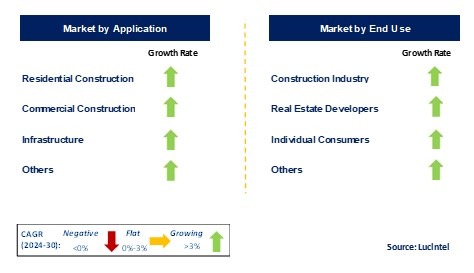

As the construction zone regained momentum, the call for concrete blocks and bricks began to upward push again. Despite the initial downturn, the market is expected to grow steadily within the coming years, pushed through infrastructure development, housing projects, and a shift in the direction of greener constructing materials. The pandemic highlighted the want for adaptable and sustainable construction answers, similarly, influencing market trends. In terms of application, the global market is categorized into residential buildings, commercial buildings, infrastructure, paths, parterre, and landscaping.
Key Takeaways For Decision-Makers
- By integrating current technologies and addressing evolving market needs, those improvements force expanded adoption and stimulate a boom inside the market.
- Naturally, if weaknesses are found, it is the strengths and innovations within the market that drive growth in the brick market.
- With the United States needing another 501,000 skilled workers in 2025, contractors view standard panels as risk hedges.
- Growth patterns in the South American and Middle East & African regions differ, driven by underlying factors currently caught between economic development, urban expansion, and government investment in infrastructure.
- Consequently, the demand for concrete blocks and bricks may additionally decline as production projects search for greater cost-effective options or put off traits because of elevated costs.
These key players possess extensive retail networks and online platforms, providing consumers with easy access to a wide variety of wardrobe options. Their strong global presence and brand recognition have contributed to increased consumer trust and loyalty, driving product adoption. Moreover, these industry giants continually invest in research and development, introducing innovative designs, materials, and smart features in cloth wardrobes, catering to evolving consumer needs and preferences. The collective efforts of these major players significantly impact the competitive landscape and future trajectory of the Concrete Block and Brick Market growth. 1793 was a major year for the Brick Market as the upper floors of the building were leased to Joseph Harper and Alexander Placide for the construction of a theater.
Building applications accounted for 60% of brick market share in 2024, reflecting masonry’s historic role in structural walls and facades. The brick market size for path and paving solutions, however, is expanding at a 3.14% CAGR as households invest in outdoor upgrades and municipalities retrofit sidewalks to endure heavier pedestrian flows. Architectural innovation is creating significant opportunities in the bricks market by redefining traditional construction practices. Collaborations between architects and brick manufacturers have led to the development of innovative designs that go beyond conventional rectangular shapes. Bricks are now available in unique forms, sizes, and textures, allowing architects to explore creative possibilities in modern construction.

The Brick Market
Heidelberg Materials reports AI-guided batching systems that trim cement use by 20%, a benefit passed along to brick lines dedicated to modular packages. The global bricks market size accounted at USD 1.74 trillion in 2024 and is expected to be worth around USD 2.36 trillion by 2034, at a CAGR of 3.09% from 2025 to 2034. Different regions around the world have their own brick manufacturing traditions, leading to unique brick types and production methods. For instance, traditional hand-made bricks in some parts of the world coexist with highly automated brick manufacturing facilities in others. The SPER Market Research report seeks to give market dynamics, demand, and supply forecasts for the years up to 2030.

About The Brick Market
The increase in infrastructure is particularly strong in growing areas, in which urbanization necessitates new construction and preservation tasks. This fashion is anticipated to keep, supported by means of authority’s guidelines and investments geared toward modernizing and increasing urban infrastructure. According to the application, the residential building segment held a 32% revenue share in 2024. The residential building segment in the bricks market refers to the use of bricks in the construction of houses and residential complexes. A notable trend in this segment is the growing preference for bricks in sustainable and energy-efficient housing projects. Architects and builders are increasingly incorporating innovative brick designs and eco-friendly materials to meet the demand for aesthetically pleasing yet environmentally conscious residential structures.
Dealer and retail outlets captured 60% of brick market revenue in 2024 thanks to entrenched suburban dealer networks and DIY refurbishment demand. Yet direct project-based distribution is the fastest lane, expanding 3.70% annually as contractors integrate procurement with scheduling software. Major U.S. roofing distributor SRS was acquired by The Home Depot for USD 18.25 billion, underscoring consolidation that favors high-volume direct buys.
Struggling With Knowing What To Do In London?

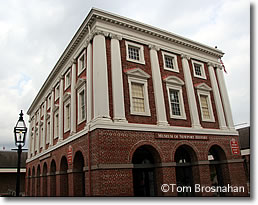
As you walk along, you’ll notice a vibey atmosphere and wafting spices that float through the air. It’s best known for its eye-popping street art, culinary delights, vintage clothing, unique treasures, and independent shops. Downtown Newport is renowned for its many colonial-era buildings, but one of the finest is the Brick Market, located along Thames Street at the western end of Washington Square. It is a prominent architectural landmark, and is one of only a handful of surviving buildings that are known to have been designed by Peter Harrison, one of the first formally-trained architects in America.
Guide To Newport Beaches
The evolving consumer preferences and regulatory frameworks are also indicative of future landscapes that may take place within the global brick market. With sustainable construction practices coming under the limelight for policy-making at global levels, the market will see an increasing share of bricks harnessed with recycled materials or using energy-saving technologies. Asia-Pacific is poised for rapid growth in the bricks market due to burgeoning urbanization, extensive infrastructure projects, and increased construction activities. The region’s robust economic development has led to a surge in demand for affordable housing and commercial spaces, driving the need for construction materials like bricks. Moreover, supportive government initiatives, coupled with a rising population, contribute to sustained growth.
Key Companies & Market Share Insights
The brick market is an important sub-sector in the construction industry bearing important roles in fulfilling infrastructure needs throughout the world. From time immemorial, the bricks having strength, flexibility, availability and cost advantages have remained the most popular construction materials available in the market inspite of the availability of superior construction materials these days. South America’s brick market pivots on warehouse and logistics developments catalyzed by e-commerce. Brazil accelerates industrial parks along new highways, increasing demand for large-format blocks that reduce lay-rate time. Middle East and Africa, although smaller today, hold the loftiest upside as 70% of buildings required by 2040 are yet to be built.
Manufacturers exploit colorfast clays and high-friction textures to serve landscaping customers seeking design variety with low maintenance. Bricks configured with interlocking edges accelerate installation, lowering contractor costs and aligning with quick-turn renovation schedules. Parterre and decorative garden formats resurface in premium estates where aesthetic differentiation commands higher margins. Industrial customers favor acid-resistant bricks for furnace linings and chemical-processing pits, reinforcing a diverse end-use spread that shelters producers from single-sector downturns. Sub-Saharan initiatives are catalysts for the brick market as authorities aim to solve acute shelter shortages.
Located in the 1762 Brick Market (designed by Peter Harrison) our award-winning Museum is the perfect place to begin a visit to Newport. The Museum provides the whole family with an engaging introduction to the area’s rich history and the beauty of its architecture. Glimpse the lives of the people–past and present–who have made Newport one of America’s most historic cities.
- Therefore, the schemes on affordable housing and other urban infrastructural projects with major investments are the factors that will spur demand to a large extent in the near future.
- We provide industry research reports and consulting service across different industries and geographies which provide industry players an in-depth coverage and help them in decision making before investing or enter into a particular geography.
- Bricks provide structural integrity, fire resistance, and insulation essential qualities in dense urban environments.
- Bricks are not used for making buildings in high seismic zones as they are very likely to be damaged during earthquakes and are able to cause a large number of human fatalities.
Based on type, the bricks market is segregated into clay bricks, concrete bricks and blocks, calcium silicate bricks, autoclaved aerated concrete bricks, fly ash bricks, and stone bricks. The clay bricks segment accounted for a major share of the market in 2022 due to the growing construction of residential buildings and houses. Clay bricks are durable, reusable, free from contaminants, and naturally resistant to pests or fire, which makes them suitable for building houses. Autoclaved aerated concrete bricks have excellent durability and thermal insulation properties that keep the building cooler and prevent outside heat from entering.

Residential buildings retained a 55% revenue position in 2024, yet the non-residential segment leads growth at 3.34% CAGR as governments fund transport corridors and e-commerce firms extend distribution hubs. The brick market supports massive warehouse floors that demand durable, thermally stable walls to moderate interior climates in tropical South America. Data centers classified as critical infrastructure in the United States also elevate orders for fire-rated brick envelopes.
Kenya, Nigeria and Egypt roll out public-private partnerships to deliver affordable homes, embedding brick procurement targets into tender documents to stimulate domestic manufacturing. Europe’s 90% emissions-cut target for 2040 is reshaping the brick market, accelerating the adoption of fly-ash and calcium-silicate bricks with smaller carbon footprints. Calcium-silicate units consume 241 kWh/t of primary energy versus higher values for traditional clay, appealing to designers seeking certification under the UK Net Zero Carbon Buildings Standard. Concrete bricks that bypass firing processes can save 2.4 tonnes of CO₂ per house and become net absorbers over their lifecycle.
Bricks are rectangular building materials typically made of clay, shale, or concrete, which are widely used in construction for centuries. These versatile units serve as the fundamental building blocks for structures ranging from simple walls to elaborate architectural designs. The production process involves molding the raw materials, followed by drying and firing in kilns to achieve durability and strength. Bricks come in various types, including common bricks for general use, firebricks for high-temperature applications, and specialized bricks with specific characteristics. Their modular size and uniformity facilitate easy assembly, making them a preferred choice for constructing load-bearing walls, facades, and pavements.